+8613902808995
 +86 13902808995
 siwenchen@chinawellcamp.com
SOEASY is one of WELLCAMP's brands, it is special for the houses easy to build, like the folding container house, flat pack container house, expandable container house, prefab k house and Sudan house.
SOEASY


The cost of a prefabricated container house depends on its structural design, dimensions, materials, interior configuration, order quantity, and delivery destination. A basic folding container house for temporary worker accommodation will generally have a different price from a fully equipped modular home designed for long-term use.
For buyers sourcing directly from a manufacturer, the most important question is not simply how much one container house costs, but what is included in the quotation. Steel structure, insulation panels, doors, windows, electrical systems, interior finishes, transportation, and installation requirements can all affect the final project budget.
At SOEASY, prefabricated housing solutions include folding container houses, flat pack container houses, expandable container houses, detachable container houses, and other modular building systems. Each type is designed for different project requirements, making it important to select the right structure before comparing prices.
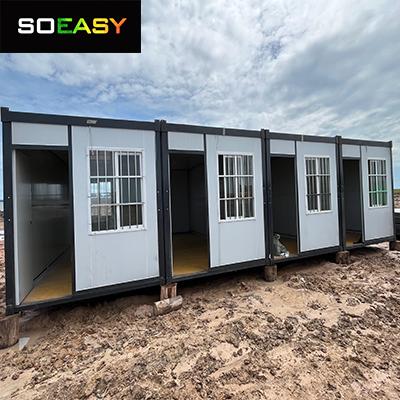
This guide explains the main factors that determine prefabricated container house prices and how buyers can estimate the total cost of a container housing project.
There is no single standard price for a prefabricated container house because different products are manufactured with different structural systems, materials, and levels of customization. A simple temporary accommodation unit and a complete residential container house should not be evaluated using the same pricing standard.
For an accurate quotation, buyers should first identify the following information:
For example, a standard folding container house may be suitable for a temporary construction site office or worker dormitory, while an expandable container house with bedrooms, a bathroom, and a kitchen requires a different configuration and budget.
Therefore, the most reliable way to determine the price is to request a quotation based on the actual product specification and project requirements rather than relying on a general online price.
The structural design is one of the first factors buyers should consider. Different prefabricated container house systems have different manufacturing processes, transportation requirements, and installation methods.
Folding Container House
A folding container house is designed to fold into a compact structure during transportation and expand into a usable room during installation. Its folding mechanism helps reduce transportation volume and makes it suitable for projects requiring multiple accommodation units.
SOEASY's folding container house category includes models designed for construction site dormitories, temporary offices, labor camps, and emergency accommodation. A standard configuration listed on the website measures approximately 2.5 m × 5.8 m × 2.6 m, with a stated installation time of around four minutes under the specified installation conditions.
For buyers planning large-scale accommodation projects, the transportation efficiency and quick installation of a folding container house can be important considerations when calculating the overall project cost.
Flat Pack Container House
A flat pack container house is supplied in prefabricated components, with the roof and floor structure prepared for assembly. Multiple units can be connected to create larger buildings, making this option suitable for container offices, accommodation buildings, schools, and worker camps.
The website's standard flat pack solution has a reference dimension of approximately 2.425 m × 5.9 m × 2.8 m. The published product information indicates that four workers can assemble one standard unit in approximately two hours, depending on site conditions and the actual configuration.
Buyers who need connected rooms, larger building layouts, or multi-unit facilities can explore the flat pack container house range.
Expandable Container House
An expandable container house provides additional usable interior space through its expandable structural design. Depending on the model, it can include bedrooms, bathrooms, kitchens, doors, windows, and integrated electrical or water systems.
Because the layout and interior equipment can vary considerably, the final price depends on the number of rooms, expansion structure, finishing materials, and included facilities. Buyers looking for more complete living accommodation can compare the available expandable container house models.
Detachable Container House
A detachable container house is assembled from separate prefabricated components. It offers flexibility in transportation, building layouts, and project expansion. This structure can be considered for site offices, accommodation facilities, and modular buildings requiring different combinations of rooms.
Even when two container houses have similar external dimensions, their prices can differ because of the materials, equipment, and manufacturing specifications used. The following factors should be checked when evaluating a manufacturer's quotation.
Steel Structure and Frame Specifications
The steel frame forms the main structural support of a prefabricated container house. Steel thickness, material grade, connection design, surface treatment, and corrosion protection all influence manufacturing costs.
For projects in coastal areas, humid environments, or industrial locations, buyers should pay particular attention to corrosion protection and the suitability of the structural specifications for local conditions.
Wall and Roof Insulation Materials
Insulation is another important part of the overall cost. Common sandwich panel options include EPS, rock wool, and other insulation materials. Their thermal performance, fire-related properties, thickness, and application requirements are different.
For example, projects in cold regions may require higher insulation performance, while buildings in hot climates may need improved thermal control and ventilation. Choosing the appropriate panel specification can help balance initial purchasing costs and long-term operating requirements.
Doors, Windows, and Interior Finishes
The number and type of doors and windows, floor materials, ceiling finishes, wall decoration, and bathroom equipment can all affect the quotation. A basic site dormitory with standard fittings will have a different cost from a residential unit with upgraded windows, decorative finishes, and complete sanitary facilities.
Electrical and Plumbing Systems
Some prefabricated container houses include basic electrical systems, while more customized projects may require lighting, sockets, distribution boxes, air-conditioning provisions, water supply, drainage, and complete bathroom installations.
Buyers should confirm whether these systems are included in the factory quotation or need to be purchased and installed separately.
Customization and Interior Layout
Custom dimensions, room divisions, exterior colors, window positions, and special functional requirements can increase production complexity. However, customization also allows buyers to avoid paying for unnecessary features.
Providing a clear floor plan and technical specification at the beginning of the project helps manufacturers calculate costs more accurately.
Yes. Order quantity can influence the unit price of a prefabricated container house, particularly for large construction, mining, and workforce accommodation projects.
When buyers order multiple units with the same specifications, manufacturers may be able to improve production planning, material purchasing, and manufacturing efficiency. Repeated layouts can also reduce the time needed for design confirmation and production preparation.
For example, a project requiring a large number of worker dormitories may benefit from using a standardized folding container house design rather than customizing every unit separately.
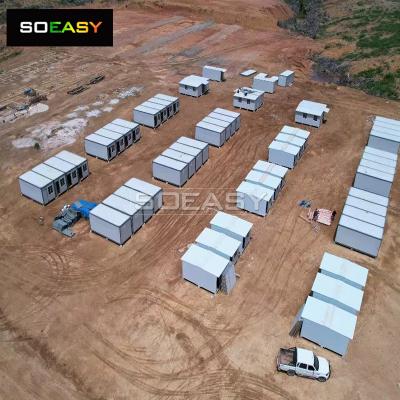
SOEASY provides modular accommodation solutions for applications such as mining camps, construction sites, and other workforce housing projects. Buyers can review the company's mining camp accommodation solutions to understand how different modular buildings can be planned for larger developments.
When requesting a bulk quotation, buyers should provide the estimated quantity, delivery schedule, preferred configuration, and destination port. These details help the manufacturer evaluate production arrangements and transportation requirements.
The factory price is only one part of the total investment. Buyers importing prefabricated container houses should also consider the expenses required to transport, install, and prepare the units for use.
International Shipping and Inland Transportation
Shipping costs depend on the product type, loading quantity, destination port, shipping schedule, and freight market conditions. Folding container houses are designed to save transportation space, while flat pack and detachable structures have their own loading and packing requirements.
For reference, SOEASY lists a loading capacity of up to twelve standard folding container house units in one 40HQ container for its specified product configuration. Actual loading capacity should always be confirmed against the selected model, packing method, and shipping arrangement.
Installation and Site Preparation
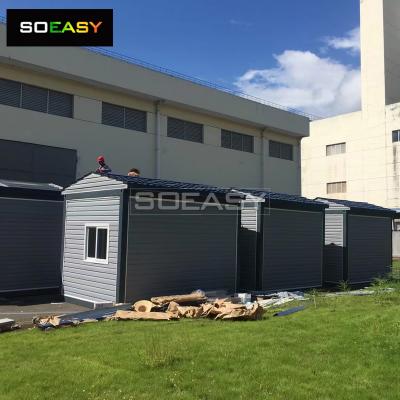
Although prefabricated houses are designed to simplify on-site construction, buyers still need to prepare a suitable installation area. Foundation or support requirements, ground leveling, drainage, lifting equipment, labor, and connection work should be considered.
Some folding models can be installed quickly, but installation time does not include every site preparation and utility connection activity. Buyers should confirm the required installation equipment and workforce with the supplier.
Import Duties and Local Compliance
Depending on the destination country, imported container houses may be subject to customs duties, taxes, inspection requirements, building regulations, and local approval procedures.
Buyers should check local requirements before placing an order, especially when the units are intended for long-term residential use or installation in areas with specific wind, snow, seismic, and fire safety regulations.
Utility Connections and Site Facilities
Additional expenses may include water supply, sewage connections, electricity access, air-conditioning, external walkways, stairs, canteens, and other supporting facilities. For a large accommodation project, these items can represent a meaningful part of the total investment.
Reducing the purchase price does not necessarily mean choosing the cheapest materials or the lowest initial quotation. A better approach is to select a design that matches the actual project requirements while avoiding unnecessary customization and additional work.
For large-scale projects, discussing the overall accommodation plan with the manufacturer before selecting individual units can help avoid unnecessary costs caused by unsuitable layouts or repeated modifications.
SOEASY, a modular housing brand under Guangdong Wellcamp Steel Structure & Modular Housing Co., Ltd., focuses on prefabricated housing and modular accommodation solutions for international projects.
The company's product range includes folding container houses, flat pack container houses, expandable container houses, detachable container houses, prefab K houses, and other modular building solutions.
Rather than offering only a single standard product, SOEASY can provide customized solutions based on project dimensions, interior layouts, material requirements, and intended applications.
Its products are designed for a range of applications, including:
With manufacturing, engineering, and project coordination capabilities, SOEASY works with buyers to identify suitable modular housing configurations for different project requirements.
For buyers planning a new project, the best starting point is to share the expected quantity, floor plan, preferred house type, material requirements, and delivery destination. This allows the manufacturer to recommend an appropriate solution and prepare a more accurate quotation.
To receive a useful quotation, buyers should provide more than a general request for a container house price. The more detailed the project information, the easier it is for the manufacturer to recommend the right product and calculate the total cost.
Before contacting a supplier, prepare the following information:
SOEASY can evaluate these requirements and help buyers identify a suitable prefabricated housing solution. Whether you need a small number of portable units or a complete worker accommodation camp, providing clear project information is the first step toward an accurate quotation.
To discuss your project and request a customized price, visit the SOEASY contact page and share your requirements with the team.
How much does a prefabricated container house cost?
There is no fixed price for all prefabricated container houses. The cost depends on the house type, dimensions, steel structure, insulation materials, interior configuration, order quantity, and shipping destination. A customized quotation based on the actual specifications is the most reliable way to determine the price.
What is the cheapest type of prefabricated container house?
The most economical option depends on the project requirements and total delivered cost. A basic folding or standard flat pack container house may be suitable for temporary accommodation, but buyers should compare material specifications, transportation, installation, and included equipment before making a decision.
Is a folding container house cheaper than a flat pack container house?
Not necessarily. Folding container houses can reduce transportation volume and simplify installation, while flat pack container houses offer different structural and layout advantages. The more economical option depends on order quantity, shipping arrangements, installation conditions, and the required configuration.
How many folding container houses can fit in a 40HQ shipping container?
SOEASY lists a loading capacity of up to twelve units per 40HQ for its specified standard folding container house configuration. The actual loading quantity should be confirmed with the manufacturer based on the selected model and packing arrangement.
What information is needed to get a container house quotation?
Buyers should provide the required house type, dimensions, quantity, floor plan, material specifications, interior equipment, delivery destination, and expected delivery schedule. These details help the manufacturer prepare a more accurate quotation.
Does the factory price include shipping and installation?
Not necessarily. Factory quotations may cover the manufactured units only, while international freight, customs duties, local transportation, foundation work, and installation may be charged separately. Buyers should confirm the quotation scope and Incoterms before placing an order.
For all requests, you can contact us :


 IPv6 network supported
Scan to wechat: